About ADU Services Remodeling Projects Blog Areas Contact Schedule Consultation
Blog

DEFERRED MAINTENANCE: WHAT HAPPENS WHEN REPAIRS WAIT TOO LONG

August 2026 · 7 min read · Home Remodeling

Every house is carrying a list. The bathroom drain that runs slow. The ceiling stain that hasn't grown in a while, so it's probably fine. The gutter that sheets over in the first real November rain. The door that stopped latching two summers ago, and by now everybody in the house knows the little lift-and-pull that closes it.

None of that is an emergency. That's exactly why none of it gets fixed. An emergency picks its own date. The list waits for you to pick one, and something else usually wins the Saturday.

But the list isn't waiting. Most of the items on it are getting more expensive, because the cheap version of a repair has a shelf life. Small problems become structural ones. So this is a post about catching up: what's happening while the list sits, what the catch-up actually costs, and the order to run it in.
Get Maintenance Assessment
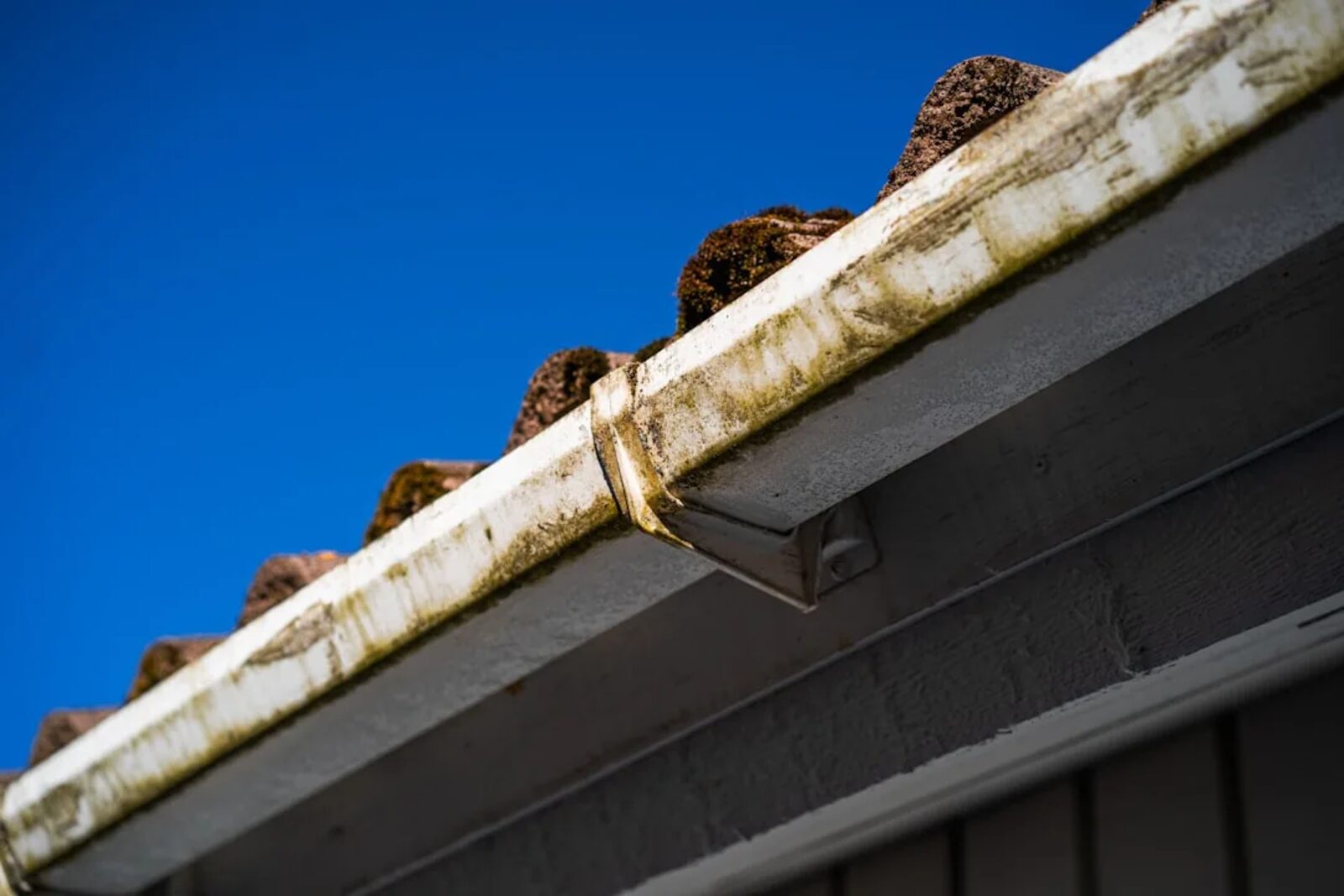
Moss and debris building up in the gutter of an older home, a deferred repair waiting to compound
01 The List

WHY PUTTING OFF HOME REPAIRS FEELS FREE

Start with the number that takes the shame out of this. Over half the homes in the Bay Area are more than 50 years old, per Census and Harvard Joint Center for Housing Studies data. The national median owner-occupied home was 31 years old in 2006. By 2023 it was 41, and our region runs older than that.

So a long list doesn't make you a negligent homeowner. It makes you the owner of the normal house for this region: a well-built house with decades of wear baked in, in a market where hiring out one small repair is genuinely hard. Most contractors won't drive across the Peninsula to re-caulk one shower. The small work piles up not because you ignored it, but because it's hard to buy.

And waiting feels free because nothing visible changes. The stain doesn't grow. The drain still drains, slowly. But an older home has less margin than a newer one; its systems are already deep into their working lives. On a house like that, a deferred repair isn't holding still until you get to it. It's aging on top of everything around it that already aged. Our breakdown of remodeling an older Bay Area home walks through what those decades leave behind the walls.

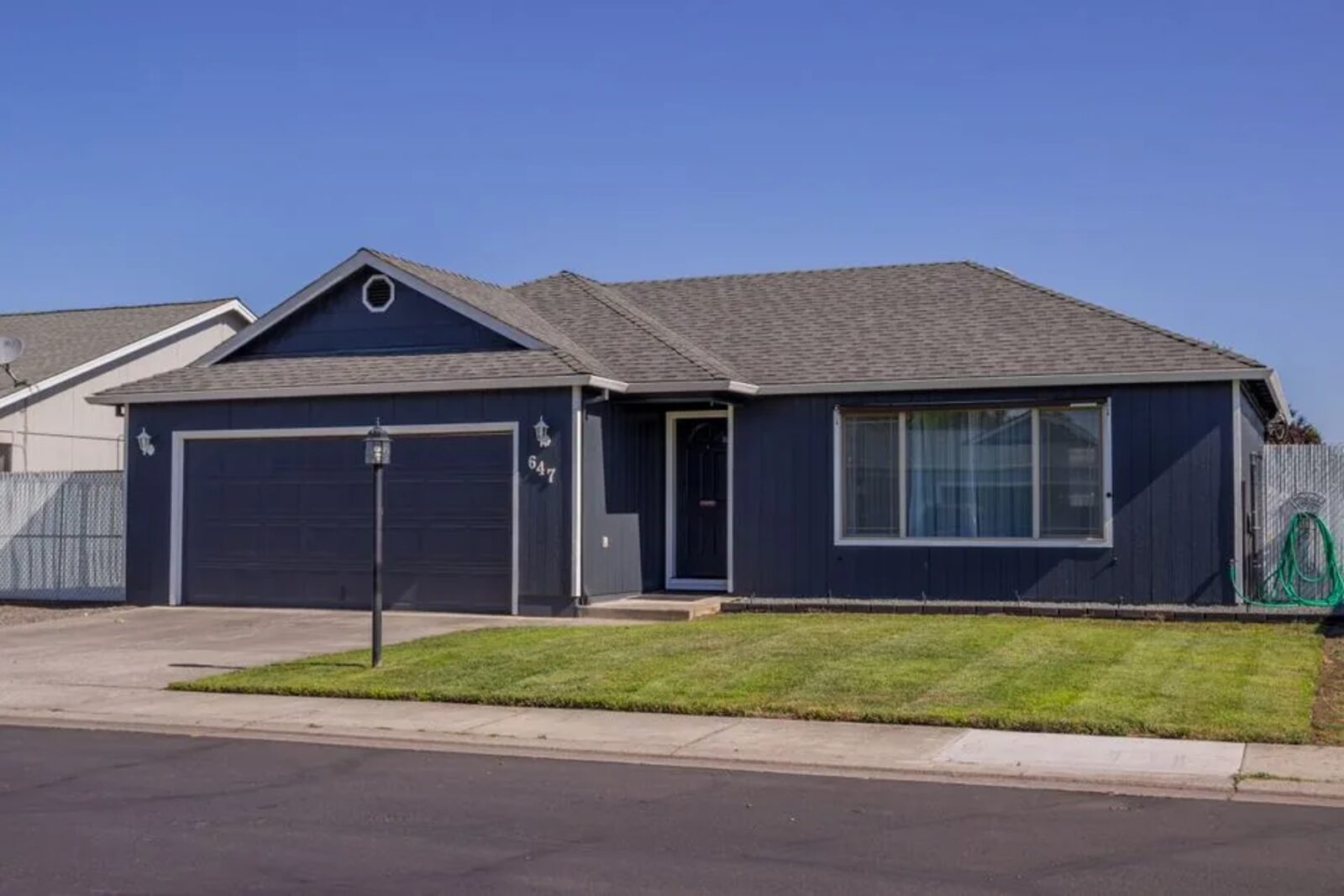
Single-story ranch home of the kind that fills older Bay Area neighborhoods, decades of wear built in
02 The Mechanism

HOW SMALL REPAIRS TURN INTO STRUCTURAL ONES

Water does most of the compounding. Not the storm-through-the-roof kind. The slow kind, a little at a time, in places you can't watch.

Grout & Caulk

Grout and caulk are usually the only things holding water out of the shower wall, and they tend to fail over 20 or 30 years. Once they do, water migrates behind the tile into the framing and the subfloor, and nothing shows on the surface. By the time the floor feels soft next to the tub, the repair isn't grout anymore. It's subfloor, and sometimes framing.

The Gutter

Water that should be carried away from the house lands next to the foundation instead, and a lot of lots around here sit on expansive clay that swells when it's wet and shrinks when it's dry. The ground beside the house starts moving with the seasons. Doors stop latching. Hairline cracks show up over the window corners. The gutter was an afternoon on a ladder. The drainage problem it created is engineering.

Galvanized Pipe

Plenty of homes from the 1960s and 70s still run their original galvanized lines, and they corrode from the inside. The pipe looks fine right up until pressure drops or a joint lets go inside a wall, and a replacement that could've run on a workday schedule becomes a water event with drywall, flooring, and a deadline attached.

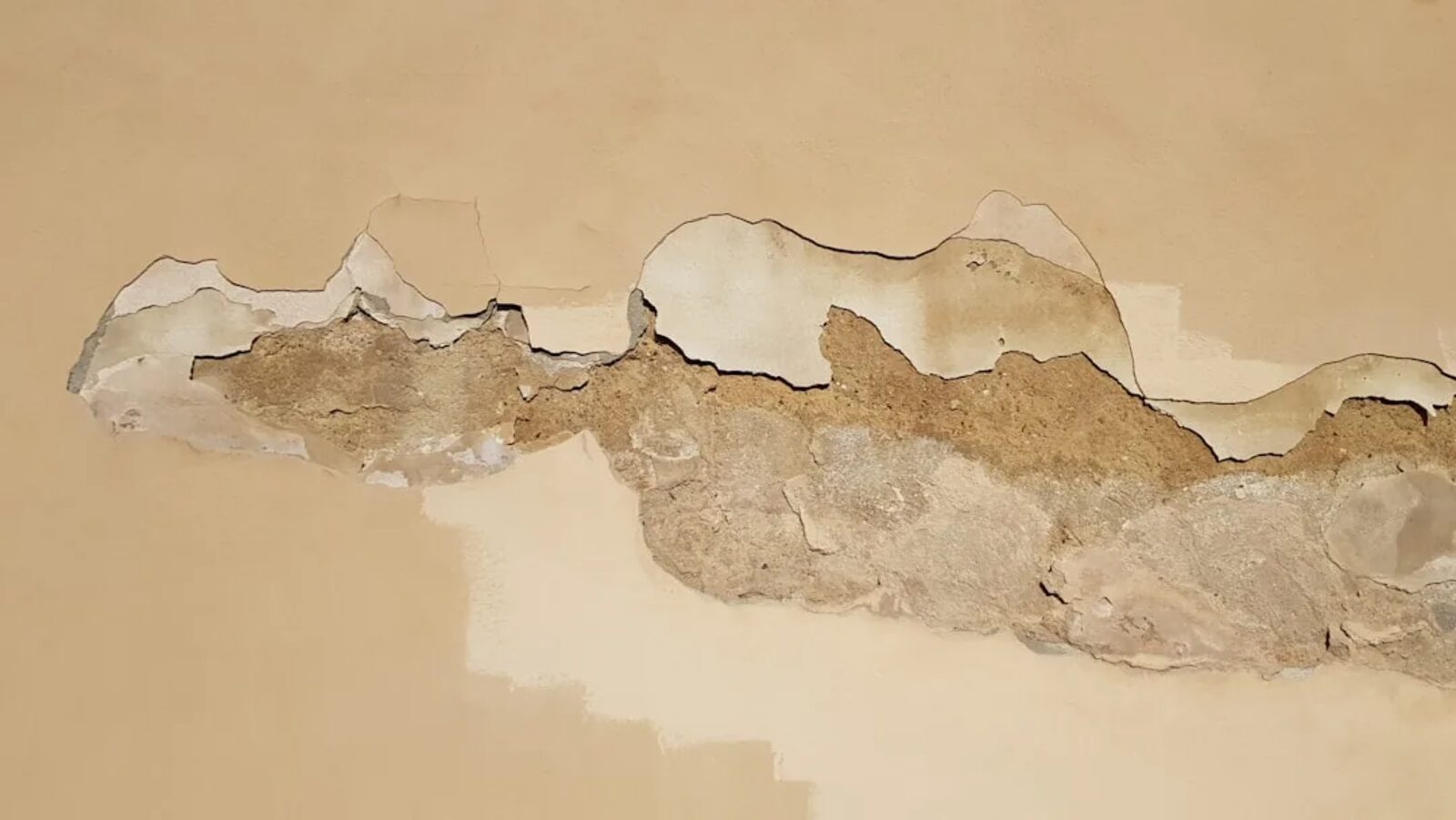
Water-damaged plaster wall where a small leak kept working until the repair grew structural

The EPA's guidance on mold says the key to controlling it is controlling moisture, and the economics of a house run the same way: a water problem is cheapest on the day it starts, and the price climbs from there.

03 The Number

WHAT CATCHING UP ACTUALLY COSTS

By the time a homeowner decides to catch up, the real list is usually longer than the visible one. The visible list is symptoms. The real list is what's behind them, and that gap is why catch-up bids land hard.

"I am shocked by the numbers I am seeing."

That's a Bay Area homeowner, and it's a common first reaction to pricing a house that's been waiting. The bid isn't pricing the list. It's pricing the years.

The pattern shows up over and over in this region's older housing stock: a homeowner budgets $80,000 for a house that's been deferring repairs, a thorough assessment prices what's actually there, and the real scope comes back closer to $180,000. Nobody padded anything. The difference was sitting behind the finishes the whole time.

Two things are worth planning around. The contingency has to be real. The 5 percent a lot of bids pencil in is built for newer, cleaner houses. On an older home that's been waiting, 15 to 20 percent is closer to the practical norm. And timing matters as much as the number. Learning the real number during an assessment is cheap, because every option is still open. Learning it after demo, when the walls are open and the decisions are irreversible, is the expensive version of the same information.

THE GAP
Visible-list budget$80,000
Assessed real scopeCloser to $180,000
Standard contingency5%
Older-home norm15% to 20%
04 Triage

A CATCH-UP ORDER THAT WORKS

Catching up doesn't mean doing everything at once. It means triage, and the order matters more than the pace.

01

Stop the Active Damage

Anything wet, leaking, or moving: the failed caulk, the overflowing gutter, the grade draining toward the house. These items are compounding while you think about the rest, so they go first, even though they're the least satisfying money you'll spend on the house.

02

Safety & End-of-Life Systems

The panel that's out of capacity, the original wiring an insurer would flag, the water heater at the end of its run. These fail less gradually, and when they fail they tend to take other things with them.

03

The Rooms You Live In

Kitchen and primary bath. This is where catching up and the remodel you've actually been wanting can become one project instead of two, on one permit cycle and one mobilization.

04

Cosmetics Last

Paint and finishes on top of a dry, stable house are money that stays put. The same finishes over deferred problems usually get bought twice.

That's the same sequencing we run on whole-house remodeling projects, compressed for catch-up work. And if the honest answer is "everything needs something," our home improvement priorities breakdown goes a level deeper on where to start.

When the list is too long to fund at once: phase it. Plan the whole catch-up, fund it in stages, and run the stages in the order above. Running rough-ins for a later phase while the walls are already open costs a little now and saves real money later. And remember what the house itself is holding. A homeowner who's owned here for 20-plus years and is behind on $150,000 of repairs is often sitting on several hundred thousand dollars of equity. That's not cash-poor. That's equity-rich with a backlog. Our financing overview lays out how homeowners spread this kind of work without draining reserves, and the first step is the same either way: get the real number before you borrow against a guess.

05 The Walk

WHERE THE WALK-THROUGH FITS

Everything above depends on one input: knowing what the list actually is. That's the job of the assessment walk.

Before we put a number on anything, we walk the property with you and name what the waiting has been hiding, out loud: the soft spot behind the bathroom tile, the panel with nothing left to give, the grade that's been pushing water at the foundation for a decade. You hear all of it while every option is still open: fund an item now, phase it, or leave it out knowingly, with your name on that decision.

Then the price holds. The number you sign already carries what the walk found, so it doesn't drift once the walls open. If it moves, it's a scope you added in writing, or a risk we flagged that you chose not to fund. Anything we should have caught and didn't is on us, and we eat the difference, dollar for dollar. And you don't have to take our word for where the money goes: every subcontractor bid, every line item, every change order sits on a shared platform you can read in real time, the day it happens. Our design-build process shows where that walk sits in the timeline.

That's the difference between a list you avoid and a plan with a number on it.

Wet leaves packed into a rain gutter, the kind of small deferred repair a walk-through names
Ready to Catch Up?

WALK THE LIST AND PUT NUMBERS ON IT

The day you walk the list with a builder, the guessing stops: everything that can be seen gets named, and every named item gets a number. So walk it, fix it in the order that stops the compounding, and phase the rest without guilt.

If your house has been waiting on you, let's walk the list together and put real numbers on it. We don't take deposits, so the conversation costs nothing but the hour.

See Our Design-Build Process Get Maintenance Assessment

For residential remodeling, kitchen and bathroom renovation, and ADU construction across the Bay Area, visit https://mendezandsonsinc.com.

Mendez & Son's Construction

39647 Iolani Ct.

Fremont, CA 94538

(408) 849-7340

Read more reviews and project details for our home renovation contractor Bay Area team on Yelp.