Two proposals for the same kitchen can land on the same total and describe two very different jobs. One names the cabinets by maker and model, prices the electrical panel on its own line, and says in writing what happens if the crew finds rot behind the sink wall. The other says "kitchen remodel per plans" and gives you a number.
Even an honest proposal leaves things out when it's vague, and whatever it leaves unsaid still gets decided... later, after you've signed, and usually by whoever is sending the bill.
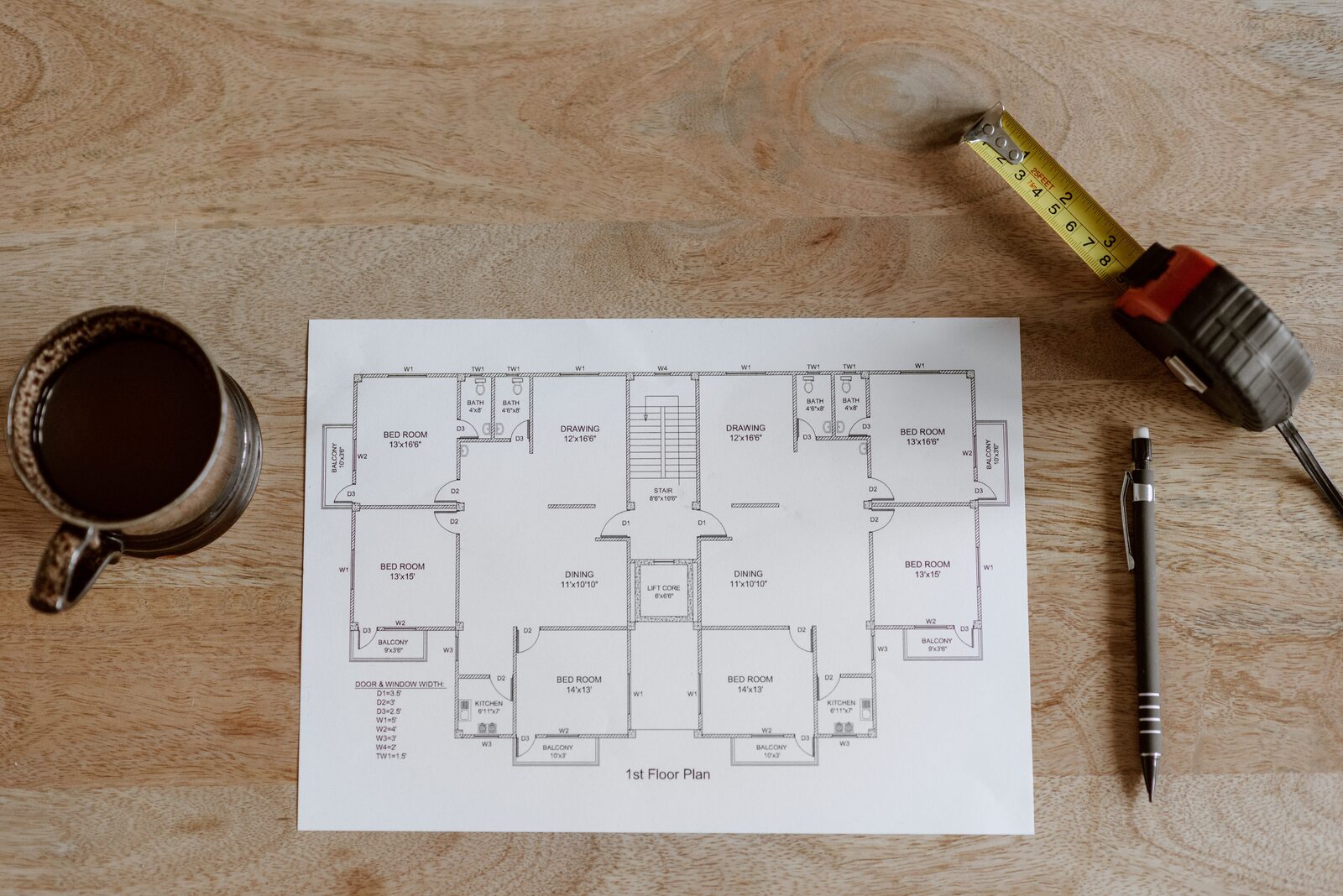
That's why the proposal is worth reading slowly. Before you sign, any question about it costs you a phone call. After you sign, the same question tends to come back as a change order with a price on it.
A vague proposal and a specific one can show the same bottom line, so the total won't tell you much. These seven places will.
The scope is the description of what's being built, and a good one reads like a list you could check off on the last day. "Replace tub with shower" is a scope. But "Curbless 60-inch shower, linear drain, tile to the ceiling on three walls, new exhaust fan vented outside" is a scope you can hold someone to. The Contractors State License Board makes the same point about materials: the contract should name a specific cabinet maker and model, not just "kitchen cabinets."
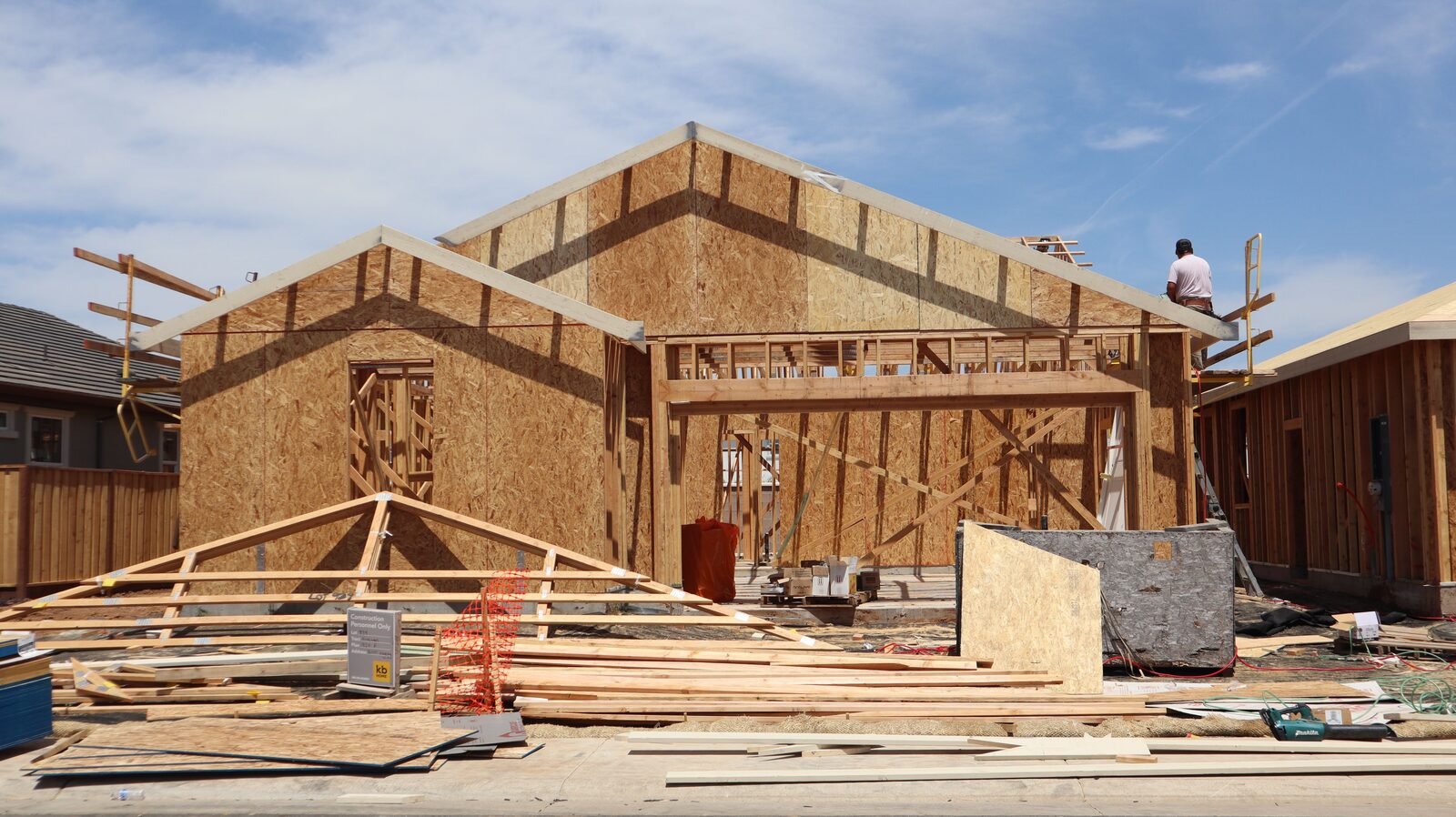
Then look for the other half, the exclusions. A proposal with no exclusions hasn't told you where the job stops, and the gap between what you assumed and what they priced is where the first dispute with the contractor usually starts. That's true on a kitchen or bathroom remodel, and it's just as true on an ADU, where "site prep" can mean anything from a bit of grading to trenching a new sewer line out to the street.
Line items are useful for more than catching an inflated number (we covered the lump-sum problem in our post on renovation contractor red flags). They let you do things.
If two bids are $30,000 apart, line items show you which trades the difference lives in.
If the budget's tight, you can see what to cut, or what to push to a second phase.
And if one line looks thin, you can ask what it covers before anyone's committed to it.
Ask the contractor to take you through it line by line, out loud, before you sign. It's the fastest way to find any line they can't explain to you. (We do that review with the homeowner on our own jobs.)
An allowance is a placeholder dollar amount for something you haven't chosen yet: the tile, the plumbing fixtures, the lighting, the flooring, sometimes the appliances. It's a normal part of a bid. But the risk is in the amount. A low allowance makes a bid look cheaper, and when you finally pick the floor you actually want, the difference gets billed as an overage.
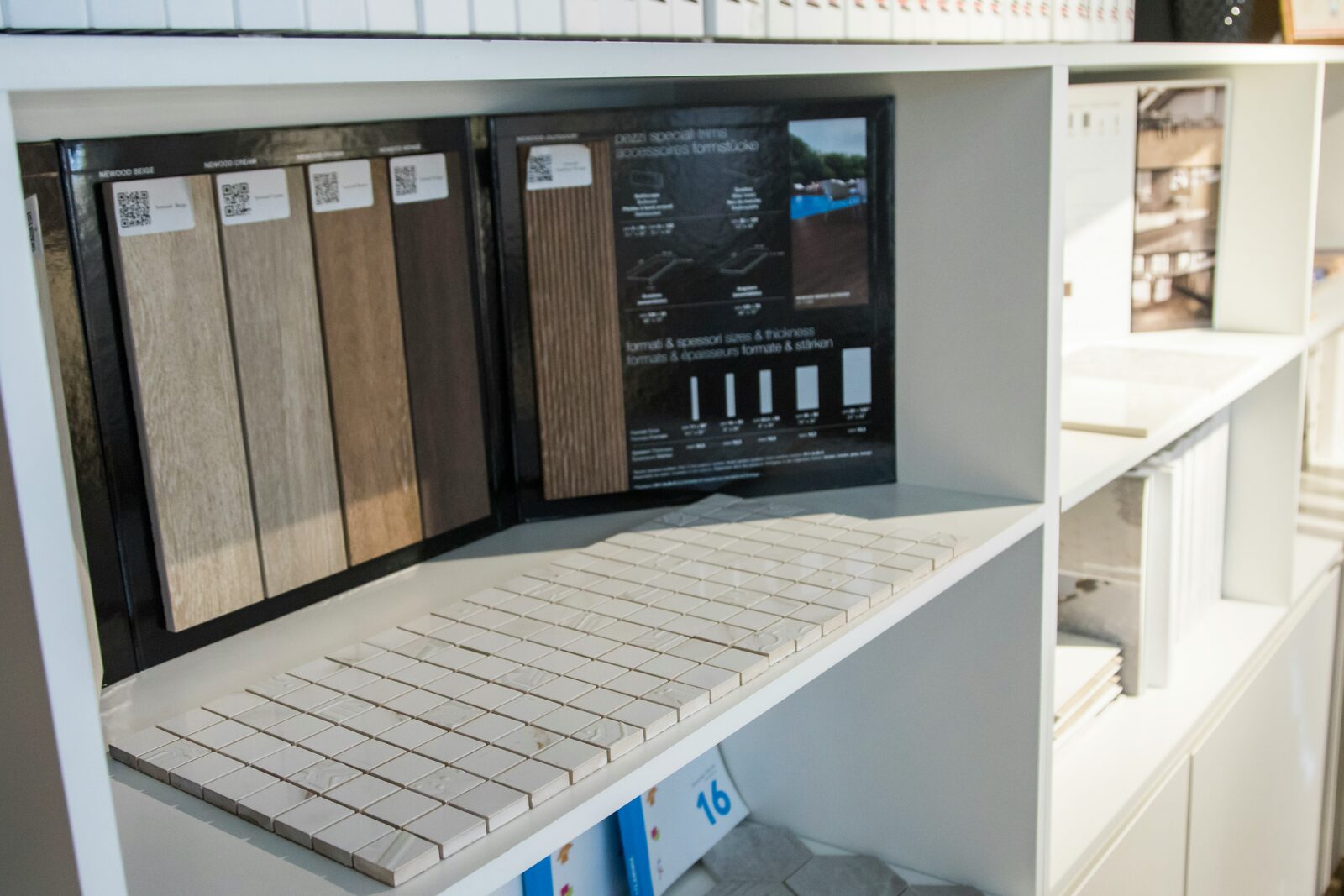
So read each allowance as a real number. If the proposal gives you a per-square-foot figure for flooring, find out what the plank you like costs installed. Two or three of these priced at a showroom will tell you whether the allowances were written for your house or for the bid. And check the other direction too: if you spend less than an allowance, does the proposal say you get the difference back?
The hidden-conditions section of a proposal decides whether the price holds. Plenty of houses on the Peninsula and in the East Bay are 50 or 60 years old, and opening a wall in a house that age tends to turn something up:
The vague version handles all of it in one sentence, something like "unforeseen conditions will be billed at time and materials." That's a blank check with your name already signed on it.
Especially when there's no number anywhere near them.
The specific version names the risks the contractor could see on the walk-through and puts a rough budget next to each one. Then you get to decide, before you sign, which ones to fund now and which ones to take your chances on. When we walk a property before writing a number, that's most of what we're looking for: what's probably behind the wall, what's probably under the yard, and roughly what each one costs if it's there.
No contractor can name every risk on a 60-year-old house. But they can tell you which ones they already see.
Find the line that says who pulls the permit. Then check whether the city's fees are inside the price or billed to you separately, and whether a correction round at plan check is covered or extra.
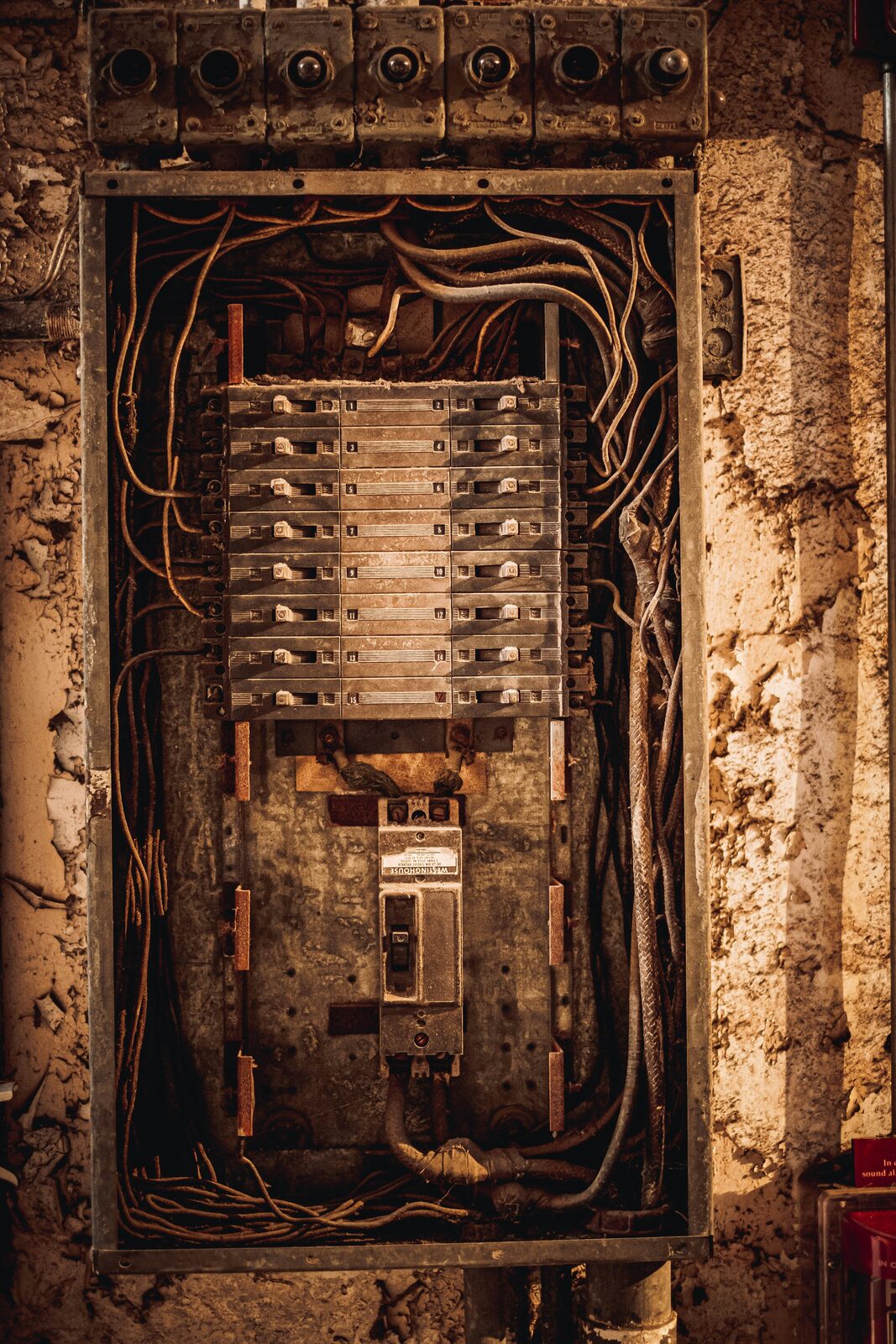
Utilities are the bigger one on an ADU or an addition. Connecting a new unit to sewer, water and electrical commonly runs $10,000 to $50,000 in a Bay Area ADU budget, and it's one of the lines most often missing from a homeowner's math. A kitchen can hit a smaller version of the electrical side of this: an induction range or a second oven may need more power than the existing panel has. If the proposal doesn't mention the panel at all, ask.
California already requires any change to the contract price to be made with a written change order, and that change order becomes part of the contract, per the CSLB's consumer guide to home improvement contracts.
A good proposal goes further and tells you how a change gets priced. Is it a fixed price agreed before the work happens, or cost plus a markup figured out afterward? Who can authorize it? (The answer you want is you, in writing, before the crew starts.) The tightest proposals also say what can move the price at all:
A change you asked for and signed
A risk the contractor flagged before signing that you chose not to fund
Anything outside those two is the contractor's to absorb.
The same CSLB guide sets two limits worth knowing. What a contractor collects before work starts can't be more than $1,000 or 10 percent of the contract price, whichever is less. And payments can't run ahead of the value of the work that's been done.
A good schedule makes that easy to check. Each payment is tied to something you can walk out and look at:
(That's how we bill on our own jobs, with payments tied to construction milestones and nothing collected before work begins.) Whoever you hire, look for the last payment to wait for the final walk-through, so the punch list gets finished while you're still holding that money. Look for the dates too. CSLB's contracts page says the contract should state when the job will be finished, and a start date belongs right next to it.
Here's one step for each of the seven, in the same order:
Now, we know that's a lot to ask of a document most people skim for the total. But if you're comparing two or three bids, the seven places above are where they actually differ. The lower number with the vague hidden-conditions clause and the thin allowances often ends up as the more expensive job.
If you're planning a remodel or an ADU and want to see how we'd write the proposal for your own house, request a proposal and we'll start with a walk of the property.
For home remodeling, ADU construction and design-build projects across the San Francisco Bay Area, visit https://mendezandsonsinc.com.
Follow our work as a general contractor in the Bay Area on Facebook.