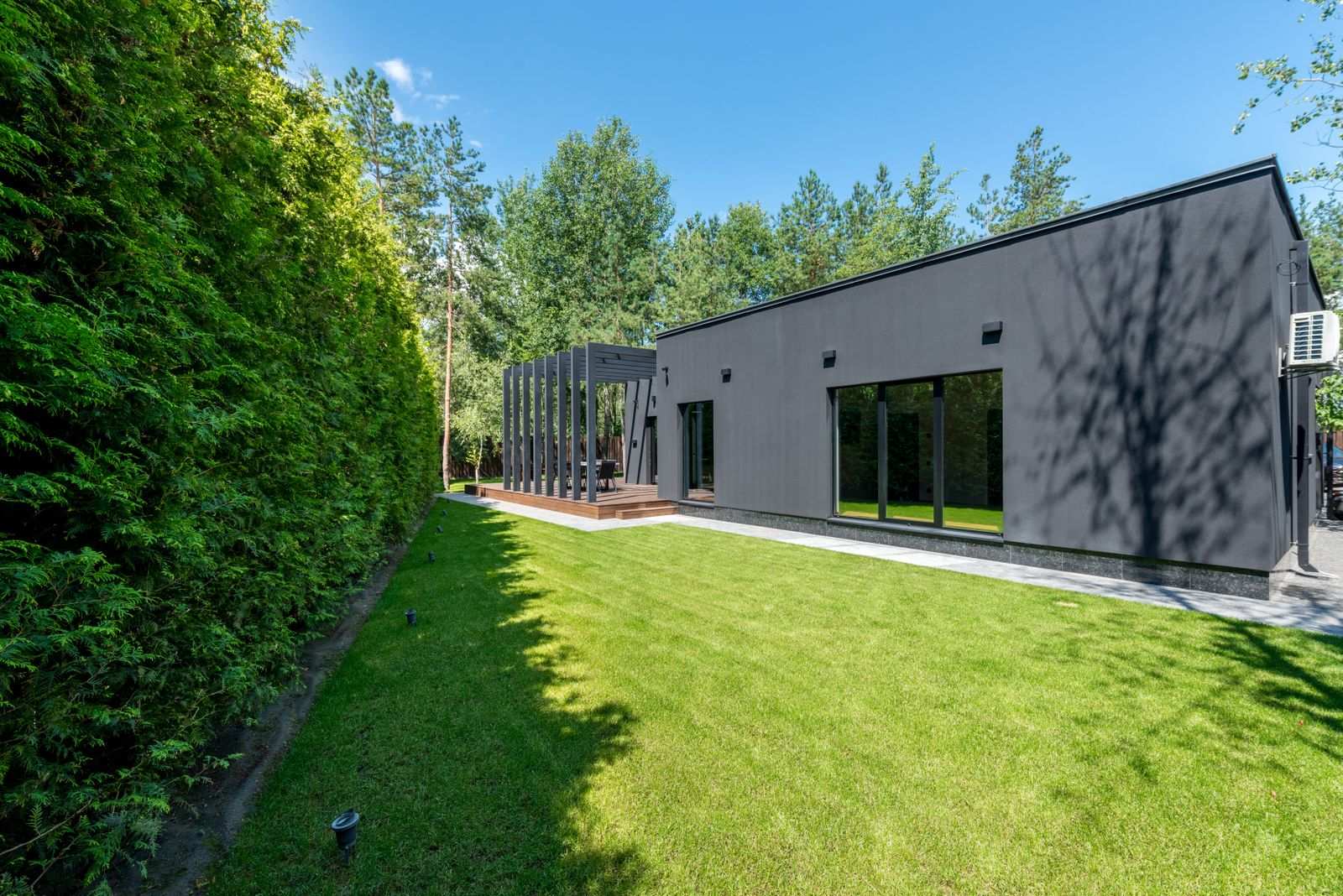
Families who build a second home on the property usually want two things that pull against each other. They want Mom or Dad close enough that a problem gets noticed the same day, and far enough away that nobody is living in anybody's kitchen. Independence with proximity is the whole brief, and the five decisions below are where it gets won or lost.
Square footage is the question most people ask first, and it matters less than they expect. A 600 square foot unit in the wrong spot, with a step at the front door and heat you can only adjust from the main house, can be a frustrating 600 square feet. The decisions that count get made on paper, before the permit set exists.
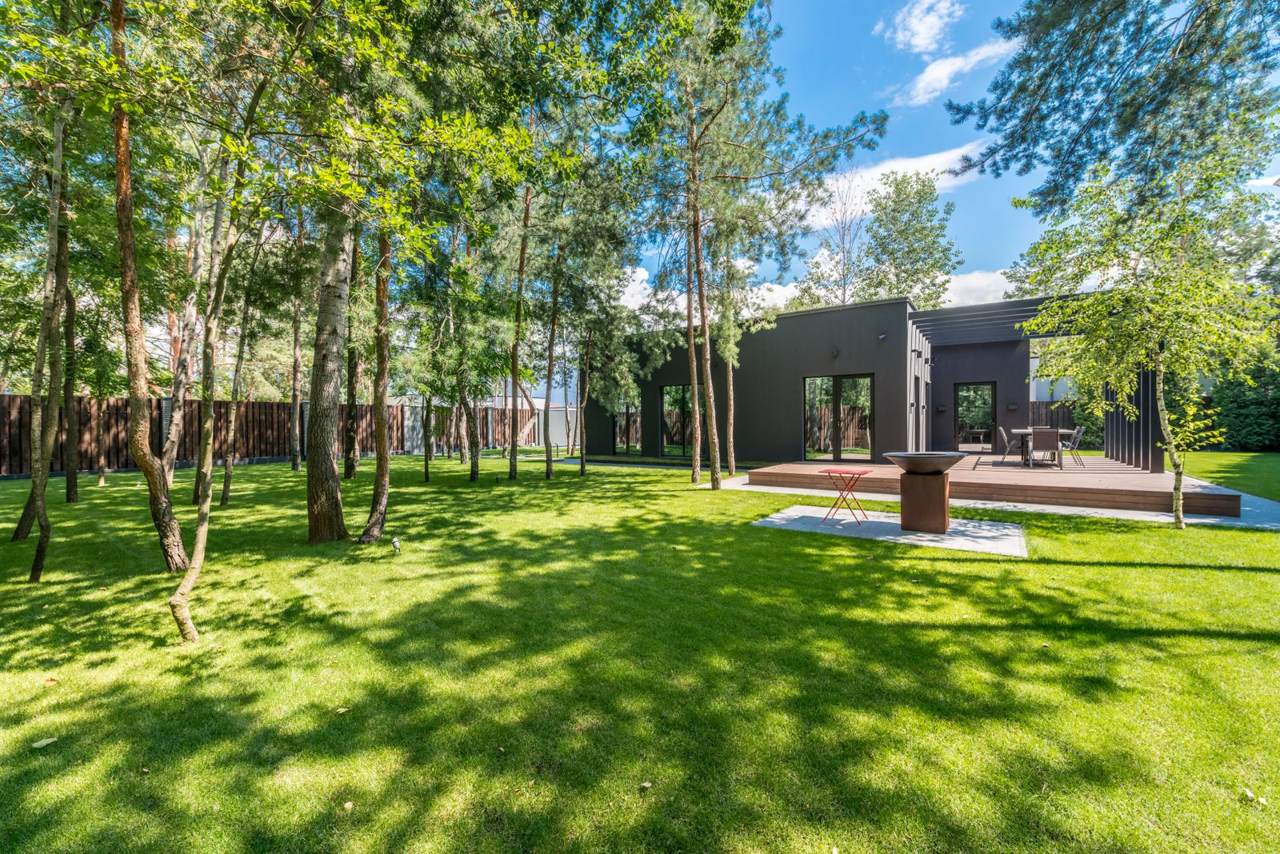
(The type of unit changes some of the answers, so each section says where. A detached ADU sits in the yard. An attached ADU is built onto the side or back of the house. A JADU is a smaller unit, up to 500 square feet, made from space inside the house.)
In OrderClose doesn't mean next to. Aim for a line of sight from your back door or kitchen window to the unit's front door, so a light on at 6 a.m. or a door left open registers without anyone picking up a phone. Avoid your bedroom window facing theirs, or a bed backed up against a shared wall.
The path matters as much as the distance. A parent who uses a cane or a walker, or will someday, makes that walk in the rain and in the dark. Level, lit, wide enough for two people side by side, and covered if the lot allows it: those four details cost little on a drawing and a lot to retrofit.
Placement is also limited by the lot. Each city sets how close a unit can sit to the property lines and to the house, so Palo Alto, Mountain View and San Mateo can each give you a different answer for the same backyard. On a long, narrow lot, a detached unit might end up 60 feet from the back door. An attached ADU or a JADU puts the doors a few steps apart instead, which is the better trade for some families and a worse one for others who want a yard's worth of privacy between them.
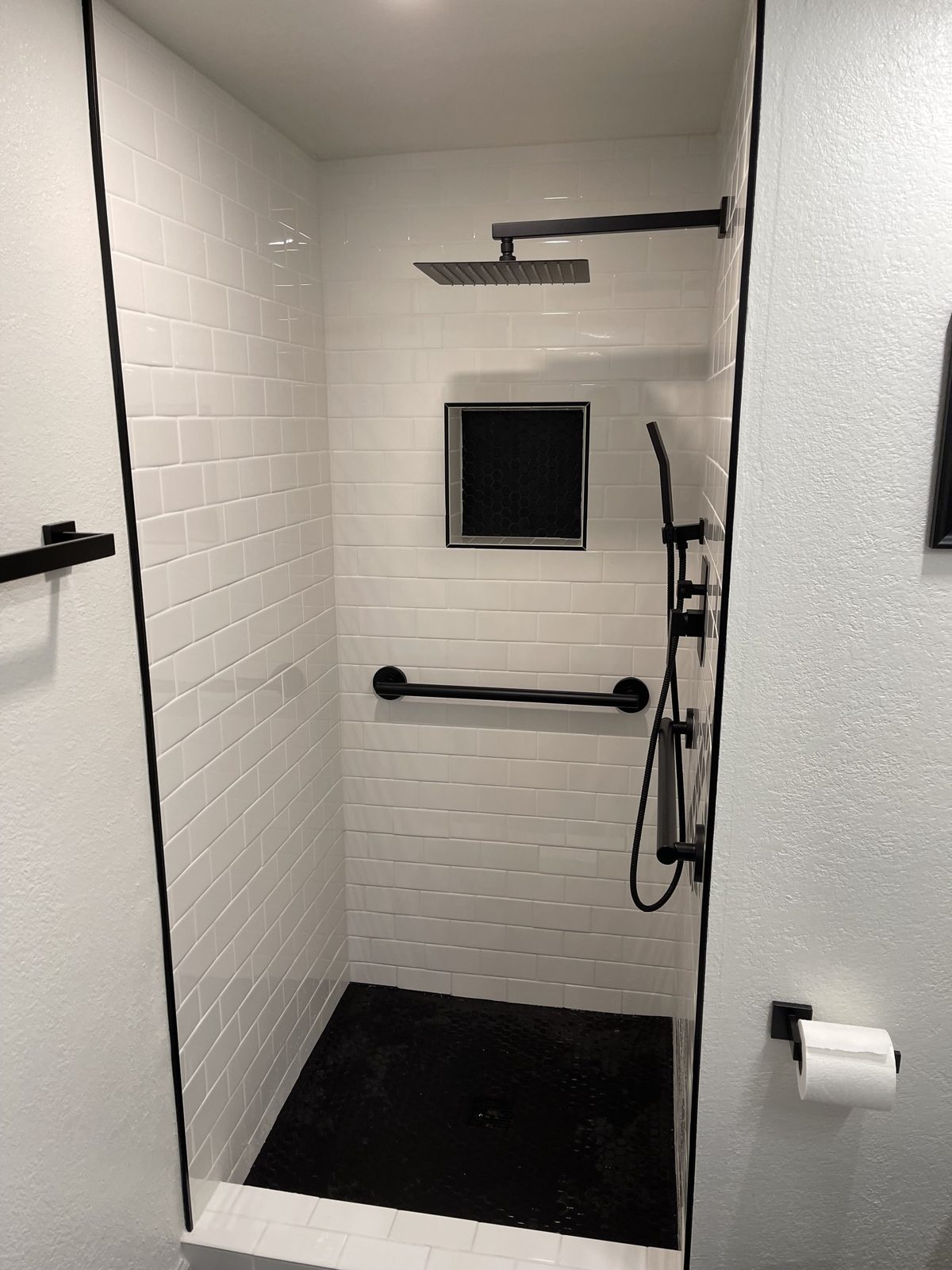
A step-free entry, doorways wide enough for a walker or a wheelchair, and a walk-in shower with no curb to step over are easy to put into a new unit. They are expensive to add later.
Blocking costs the least in this section, and nobody sees it once the drywall is up.
It is plain lumber set between the studs behind the drywall, so a grab bar has something solid to screw into. Put it in while the walls are open and it costs a few boards and an hour of labor. Add it after the drywall is up and someone has to find the studs, cut the wall open and patch it.
The fall data is the reason to plan the bathroom now. The CDC reports that more than one out of four people 65 and older falls each year, and a bathroom is where a lot of those falls happen. A grab bar can double as a towel bar, and a curbless shower looks like a design choice. For the same thinking applied to the house you already live in, see our universal design remodel guide.
A unit feels independent when it has its own front door, its own heating and cooling control, its own laundry hookup and its own bathroom.
Shared systems are where the friction comes from: your parent can't turn the heat down without calling you, and you hear their washer through the wall.
The kitchen and the electric meter are easy to overlook. Even if your mom never cooks, a detached or attached ADU has a kitchen and a bathroom of its own, and the kitchen is a large part of what makes the unit usable for the next person. Whether the unit gets its own meter or a submeter is often a choice rather than a requirement, and the rules differ by utility and by type of unit. The choice decides who sees whose bill. Your panel may also have to carry a second home's worth of load, which is a question for the design stage and not the construction stage.
The person moving in now won't live there forever. A parent might need a live-in caregiver for a stretch, so a second bedroom or an office with a door earns its square footage. Later the unit might go to an adult child, or to a renter, and each of those works only if the unit is permitted as a separate home with its own entrance, kitchen and bathroom.
A permitted unit also answers the question families put off: what happens to it afterward. A permitted ADU can generally be rented to someone outside the family. A JADU carries extra rules, and some of them changed recently while cities are still updating their codes, so ask your city before you plan around renting one. Our ADU rental income post covers the money side.
An unpermitted in-law unit has the opposite problem: it can't be rented, and it shows up as a liability when the house is sold. Drawing the unit twice, once for who's moving in and once for whoever comes after, costs nothing and changes the layout.
A parent paying for a building on a child's lot is a common setup, and it raises questions that a lawyer or a tax adviser answers and a contractor doesn't. Whose name goes on what. What happens if the parent moves out or passes away. What a sibling can expect. Those conversations are easier before a contract than after one.
Once the family decides what it can spend, that number needs to hold. A parent funding the unit from savings or from a house sale doesn't have room for a surprise in the tens of thousands of dollars in month six. So before anyone signs, a builder should walk the property and tell you in plain words what could move the number: what's under the ground, what's behind the wall where an attached unit joins the house, and how the utilities will reach the unit. We do that walk before any contract, and you decide what goes into the budget and what stays out.
The five decisions turn into five things to do:
The ADUs we build for families who are bringing in-laws close begin with a walk of the house, the lot and the path between the two front doors, the same walk described in decision 5. If you're weighing one, talk through a family ADU with us and we'll set up that walk.
For ADU construction, garage conversions and home remodeling across the San Francisco Bay Area, visit https://mendezandsonsinc.com.
Follow our work as an ADU contractor in the Bay Area on Facebook.