About ADU Services Remodeling Projects Blog Areas Contact Schedule Consultation
Blog

ADU CONSTRUCTION IN REDWOOD CITY: WHAT IS DIFFERENT HERE

June 2026 · 8 min read · ADU Construction

If you've read a general ADU guide and figured the process is the same everywhere, Redwood City is where that falls apart. The state sets the floor. The city sets the reality. And the reality here, the plan check desk, the fee schedule, the age of the homes, the lots themselves, is its own animal.

We build accessory dwelling units across the Peninsula, and the first thing we tell a Redwood City homeowner is this: the parts that surprise people aren't the parts the brochures talk about. So before anyone signs anything, we walk the property and name what's actually going to come up on your lot, in your neighborhood, at your city's counter. That walk-through is the whole reason the number we contract is the number you pay.

Here's what's genuinely different about building a backyard unit in this part of the Bay Area, and why naming it up front is what keeps your price from drifting later.

Redwood City Consultation
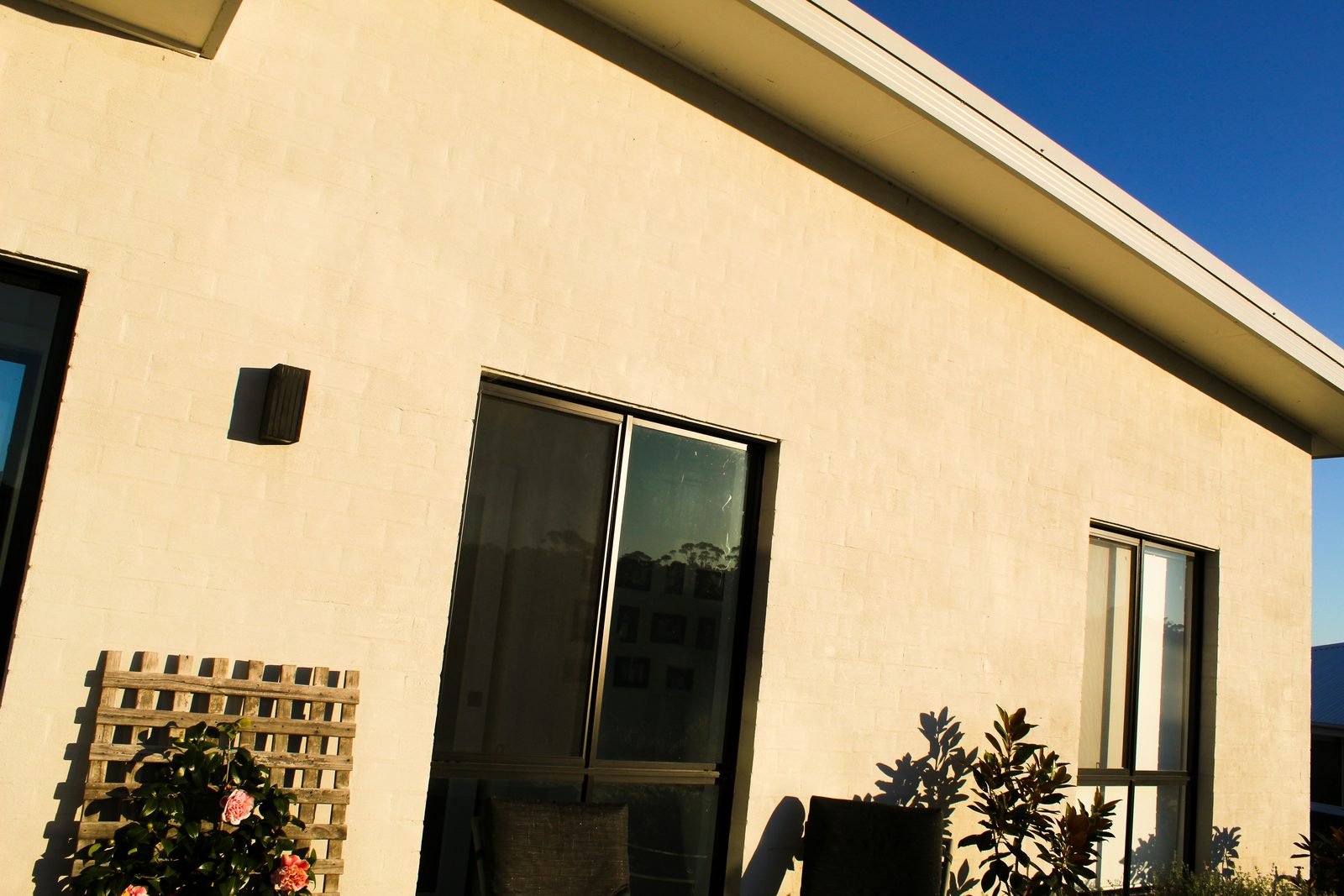
Detached accessory dwelling unit exterior with a private patio in a Bay Area backyard
01 Plan Check

THE REDWOOD CITY PLAN CHECK RUNS ON ITS OWN CLOCK

Every Peninsula city says it follows the same state ADU law. They do, technically. The state mandates a 60-day ministerial review once your application is complete, and as of January 1, 2026, SB 543 forces a city to tell you in writing within 15 business days what's missing or your application is automatically deemed complete. That's the floor, and it's the same in Redwood City as it is in Palo Alto.

What's not the same is how long the real cycle takes once the desk starts asking questions. In our experience across Peninsula jurisdictions, the initial Redwood City plan check tends to run in the range of 6 to 12 weeks, with each round of corrections usually adding a couple weeks on top. That's faster than some neighbors and slower than others. Palo Alto plan check often lands later, in the 8 to 14 week range; you can see how that plays out on our Palo Alto ADU contractor page. San Mateo tends to sit in a similar window to Palo Alto.

The point isn't the exact weeks. Timelines vary by lot, by scope, and by how clean the submittal is. The point is that a contractor who's run permits through this specific counter knows what this specific counter flags, and prices the design and submittal time accordingly. A contractor who quotes you a generic ADU timeline off a national average is going to be wrong about your project, and "wrong about the timeline" usually shows up later as "wrong about the price."

PENINSULA PLAN CHECK
State review60-day ministerial
SB 543 notice15 business days
Redwood City6 to 12 weeks
Palo Alto8 to 14 weeks
San MateoSimilar to Palo Alto
Each correctionA couple weeks
02 Fee Tiers

REDWOOD CITY FEES ARE TIERED BY SIZE, WHICH CHANGES THE MATH

Here's a Peninsula detail most homeowners never see coming. Redwood City structures its base building permit fee in tiers tied to the square footage of the unit. The smaller footprints sit at one number, and the fee steps up as the unit grows.

That tiering matters because it interacts with the state exemptions in a way that can save you real money if you design for it. ADUs under 750 square feet are exempt from municipal development and impact fees under California law. And under SB 543, effective January 1, 2026, ADUs and JADUs under 500 square feet are exempt from school impact fees too. So the difference between a 740-square-foot unit and an 810-square-foot unit on the Peninsula isn't just construction cost; it can be a different fee tier and a different exemption status entirely.

This is exactly the kind of thing we put on the table during the walk-through. Not after. When you're deciding how big to build, the fee and exemption consequences should be a number you can see, not a surprise on an invoice in month four. For the full picture of how Bay Area permitting works end to end, our ADU permitting process page lays out the steps, the documents, and where the time actually goes.

SIZE AND EXEMPTIONS
Permit feeTiered by sq ft
Under 750 sq ftNo impact fees
Under 500 sq ftNo school fees
SB 543Effective Jan 1, 2026
740 vs 810 sq ftDifferent tier entirely
03 Older Homes

THE HOMES HERE ARE OLD, AND THE WALLS AREN'T EMPTY

Redwood City has a deep stock of mid-century and older homes, and that's where the Peninsula's real ADU cost driver hides. Over half of Bay Area housing stock is more than 50 years old, per Census and Joint Center for Housing Studies data. When you build an attached ADU, convert a garage, or tie a detached unit into an existing home's electrical and sewer, you're connecting new work to old systems. Old systems have surprises in them.

Galvanized supply lines past their useful life. A main panel that was already at capacity before anyone added a second dwelling's load. A sewer lateral that needs work before the city will sign off on a new connection. None of that is exotic on a home built before 1975. It's statistical. And it's the reason the standard 5 percent contingency a lot of contractors carry isn't enough on the Peninsula; the practical norm on homes this age tends to run more like 15 to 20 percent.

A lowball bid on an older Redwood City home pretends the walls are empty. The contractor knows they're not; he's seen the same panels and the same laterals you have. He leaves them out so the number wins the job, and the markup arrives later as a change order, once you're committed and can't easily walk away. That's not bad luck. That's the business model.

"There were no surprises along the way from selecting materials, signing contracts, payment, work. It was clear and transparent."

That's a real Bay Area homeowner describing what the process is supposed to feel like. The way you get there isn't optimism. It's naming what's likely behind the wall before the contract, and pricing it in.

BEHIND OLD WALLS
Homes 50+ yrs oldOver half the Bay
Supply linesGalvanized, spent
Main panelOften at capacity
Sewer lateralMay need work
Typical contingency5%
Peninsula norm15 to 20%
04 A Real Project

A REDWOOD CITY PROJECT THAT SHOWS THE DIFFERENCE

We had a project in Redwood City that's the clearest example we can give of why the walk-through matters more here than the marketing copy suggests.

A homeowner called us about a moisture issue. During the walk-through, Dan could see the visible damage and told them straight: there's going to be more behind this wall. We didn't know the exact scope until demo. But we knew it was there. So instead of writing a clean contract that hid the unknown, we sat down, talked through what was likely back there, gave a rough budget number for the repair as a contingency, and only then signed for the visible scope. The homeowner went in knowing what was coming and roughly what it would cost.

When the wall came open, the repairs came in under the rough number. Final price beat what they expected.

That's the whole difference between a flagged risk and a surprise. One gets named before you sign, while you can still decide what to fund and what to leave out. The other shows up after, in the form of a bill you didn't agree to. On an older Peninsula home, where the odds of finding something are high, which one you get depends entirely on whether your contractor walked the property and told you the truth before the number was locked.

05 The Five Questions

WHAT AN ADU BUILD ON THE PENINSULA SHOULD ACTUALLY LOOK LIKE

So if you're a Redwood City homeowner planning a backyard unit, here's the sequence that protects you, and the questions worth asking any builder you talk to:

1. Did they walk your property and your lot before quoting, or send a number after a phone call? A Peninsula ADU quote built without seeing your setbacks, your panel, and your access is built on a generic home.

2. Does the bid account for the age of your home and the condition of what you're tying into, or does it assume clean demo and an empty wall?

3. Do they know the Redwood City counter specifically, the plan check rhythm, the fee tiers, the local submittal quirks, or are they quoting a state-average timeline?

4. Is anyone asking for a big deposit before any work has started? We don't take deposits. We bill in smaller progress payments tied to work that's already done, so you're never out ahead of the build.

5. After you sign, can you actually see the budget, the schedule, and every change order, or do you have to call and hope? We run every project on a platform where you watch the books in real time. Every subcontractor bid, every line item, every payment, the day it happens.

A builder who passes all five is rare, and worth more than the lowest number on the table. According to the California Department of Housing and Community Development's ADU guidance, getting the scope, the timeline, and the terms in writing up front is the most protective thing a homeowner can do. We'd add one thing: make sure there's a place you can watch it happen after you sign, not just a contract you filed away.

If you want to see how we build across the Peninsula and which cities we cover, the areas we serve page lays it out, and the broader ADU construction overview walks through how a project runs from the first site visit to final handoff. Mountain View homeowners can see the same approach applied locally on our Mountain View ADU builder page.
THE FIVE-POINT CHECK
01 Site walkBefore the number
02 Older-home costPriced in
03 Local counterKnows Redwood City
04 DepositNone up front
05 Open booksAfter you sign
Ready to Talk About Your Redwood City Project?

THE PENINSULA ISN'T HARDER. IT'S JUST MORE SPECIFIC.

Building an accessory dwelling unit on the Peninsula isn't harder than anywhere else. It's just more specific. The plan check, the fees, the age of the homes, the lots; all of it rewards a builder who names what's coming before you sign and holds the number afterward.

If you've got a Redwood City lot and you're trying to figure out what's actually possible on it, let's walk it together. We'll give you the rough estimate and the risk walk-through at no cost, and you'll leave the conversation knowing what your project really involves. No deposit to start the conversation.

See How We Build ADUs Let's Talk About Your Project

For ADU construction, garage conversions, and residential remodeling across the Peninsula and the greater Bay Area, visit https://mendezandsonsinc.com.

Mendez & Son's Construction

39647 Iolani Ct.

Fremont, CA 94538

(408) 849-7340

Read reviews and project details for our ADU contractor Redwood City team on Yelp.